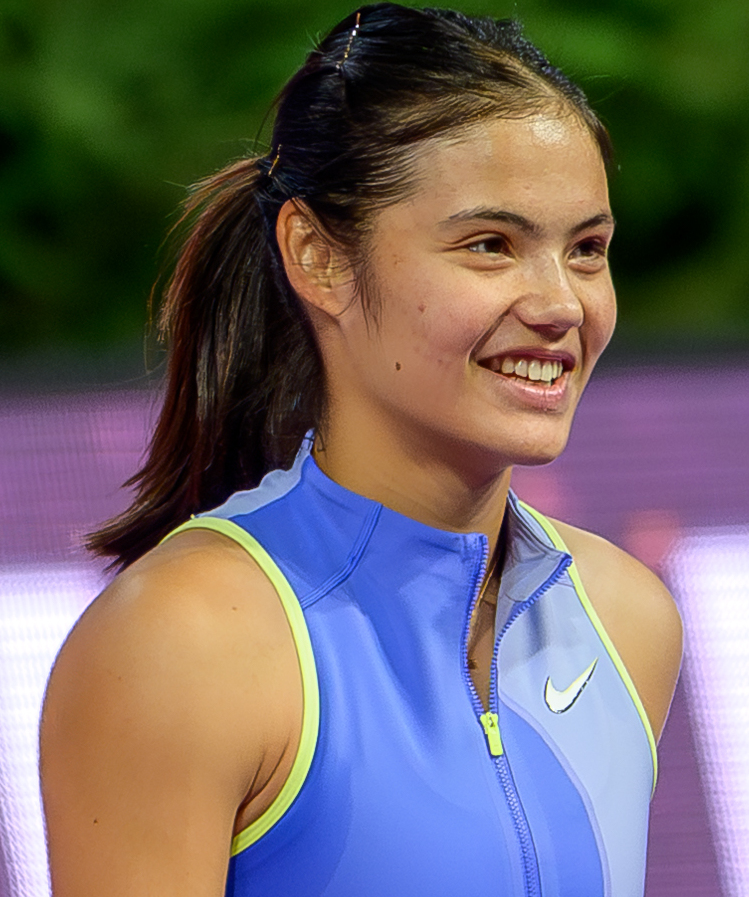
Raducanu's Coaching Philosophy: Instinct Over Dictation
In the high-stakes world of professional tennis, where every swing and strategy is meticulously analyzed, Emma Raducanu stands out with a refreshingly candid and deeply personal approach to her game. Far from seeking a coach to merely dictate tactics, the 2021 US Open champion is on a profound journey of self-discovery, aiming to reconnect with the innate instincts that propelled her to an unforgettable Grand Slam victory. Her distinctive raducanu coaching style emphasizes internal understanding and collaborative growth over external instruction, setting a unique precedent in the sport.
The Quest for Authentic Play: Rediscovering the US Open Magic
Since her astonishing triumph as an 18-year-old qualifier at the US Open, Raducanu has navigated a complex landscape of expectations, injuries, and a continuous search for her most effective tennis. Her journey led her to Indian Wells, California, embodying a "total reboot" where she sought to blend familiar strengths with new insights. Raducanu openly admitted to a period where she wasn't enjoying her game, feeling detached from the "free-hitting style" that defined her breakthrough. "At the start of the year, I wasn’t feeling too good about my game, and I was playing in a way I didn’t necessarily enjoy," she reflected, articulating a desire to revert to a more aggressive, instinct-driven approach.
This introspection led to significant changes, including the conclusion of her partnership with Francisco Roig after the Australian Open. A key point of contention was her playing style, particularly an elongated forehand swing that she felt didn't align with her natural rhythm. In a telling admission, Raducanu expressed a longing to return to her teenage playing style—by "hitting the ball to the corners and hard." To aid in this endeavor, she informally enlisted the guidance of former coach Mark Petchey at Indian Wells, a move that underscores her inclination towards trusted relationships that foster, rather than impose, her unique game.
The challenge for Raducanu, now 23 and a top-tier player, lies in emulating a style once forged in the absence of pressure. She candidly acknowledges the difficulty: "You definitely appreciate the innocence of just coming straight on and playing free, not knowing anything that comes with it. And I think that it maybe is harder as you get older to kind of do the same things." Her current mission is to reclaim that unburdened approach, understanding it's a process that "is going to take a while because it’s been so many years of not necessarily doing that."
Instinct Over Dictation: Raducanu's Evolving Coaching Philosophy
At the heart of Raducanu's current journey is a clear articulation of what she seeks from a coach: someone who facilitates her instincts, rather than dictates her play. After a series of coaching changes—Francisco Roig was her seventh full-time coach since her US Open win—Raducanu's stance has solidified. She remains open to a full-time coach, but with a crucial caveat: they must not "dictate the way she should play."
Her recent statement to BBC Sport encapsulates this philosophy perfectly: "Right now, it's more about bringing my instincts back out, getting back in touch with myself. I have had a lot of people telling me what to do, how to play, and it hasn't necessarily felt right." This isn't a rejection of coaching expertise, but rather a sophisticated understanding of what empowers her as an athlete. It's a call for a collaborative partnership where the coach acts as a guide, providing tools and insights, but ultimately allowing the player to lead with their innate feel for the game.
This distinctive raducanu coaching style offers valuable insights for athletes and coaches across all disciplines:
- Athlete Empowerment: Raducanu prioritizes her internal compass. This encourages self-awareness and accountability, fostering a deeper connection to one's performance.
- Personalized Development: Instead of a one-size-fits-all approach, her philosophy advocates for coaching tailored to the individual's unique strengths and intuition.
- Trust and Collaboration: A coach in this model becomes a trusted advisor, someone who can help an athlete understand *why* certain techniques or strategies work for *them*, rather than simply prescribing them.
For Raducanu, the split with Roig stemmed from a fundamental disagreement over her playing style, highlighting how crucial this alignment is for her. It underscores that for an athlete of her calibre, understanding and believing in the method is as vital as the method itself.
The Challenges of a Unique Coaching Path
While Emma Raducanu's coaching philosophy champions individual empowerment, it's not without its challenges, especially for a player of her stature. As the world No. 24 and a major winner, she carries the immense "added weight of expectation" that constantly scrutinizes her choices, both on and off the court. Her desire to "tap into a few people" for guidance, rather than committing to a single full-time coach, reflects a cautious approach, partly due to the intense media spotlight that invariably falls on anyone associated with her.
The physical toll has also been a significant factor. Since her US Open victory, Raducanu has battled a series of long-term and persistent injuries, including a challenging chest infection that impacted her performance at the Qatar Open and Dubai Tennis Championships. These physical setbacks, coupled with the pressure to perform, make the process of rediscovering a natural, free-flowing game even more arduous. "In hindsight, I probably could have sat those ones out," she admitted regarding playing through illness, highlighting the internal struggle between commitment and self-preservation.
Her history of working with multiple coaches is often viewed through a lens of instability. However, from Raducanu's perspective, it could be interpreted as a determined search for the right partnership—one that aligns with her evolving understanding of her own game and respects her need for autonomy. This unique approach to her development is meticulously explored in Emma Raducanu's Coaching Search: Reclaiming Her US Open Style, which delves deeper into her post-Grand Slam coaching decisions.
Nurturing Natural Talent: Lessons from Raducanu's Approach
Raducanu's journey offers profound lessons on how to effectively nurture natural talent. Her emphasis on "bringing my instincts back out" speaks volumes about the value of intrinsic motivation and an athlete's innate feel for their sport. For coaches, parents, and athletes alike, this model suggests a shift from prescriptive teaching to facilitative guidance.
Practical Tips for Nurturing Instinct-Driven Play:
- Encourage Self-Reflection: Coaches should ask open-ended questions that prompt athletes to analyze their performance and feelings, rather than just delivering instructions. "How did that shot feel?" or "What was your intention there?" can be powerful tools.
- Create a Safe Space for Experimentation: Athletes need the freedom to try new things and even make mistakes without fear of immediate criticism. This fosters creativity and a deeper understanding of their own capabilities.
- Focus on Principles, Not Just Mechanics: Instead of rigidly dictating technique, explain the underlying principles. For instance, instead of "hit the ball like this," try "how can you generate more power while maintaining control, in a way that feels natural to you?"
- Value the Athlete's Voice: Always listen to the athlete's feedback and observations. Their internal sensations are invaluable data points that can inform the coaching process.
- Embrace Informal Mentorship: As seen with Mark Petchey, sometimes informal, less structured guidance can be highly effective in helping an athlete reconnect with their core game without the pressure of a formal, full-time coaching contract.
By seeking to return to her "aggressive" style and "hitting the ball to the corners and hard," Raducanu is articulating her own vision for her game. A coach compatible with her raducanu coaching style would help her achieve these *her* goals, rather than imposing external ones. This symbiotic relationship is crucial for long-term success and athlete well-being, paving the way for a more integrated approach to her career reboot, as further detailed in Emma Raducanu's Reboot: Mixing Old & New Coaching for Her Game.
Emma Raducanu's coaching philosophy represents a significant departure from traditional norms in professional tennis. By prioritizing her instincts, advocating for collaborative coaching, and seeking to reclaim the natural, uninhibited style that brought her Grand Slam glory, she is defining a truly unique path. While challenging, this journey of self-discovery and empowerment reflects a mature understanding of her own needs as an athlete. Her evolving raducanu coaching style serves as an inspiring blueprint for athletes everywhere to trust their intuition and find coaching partnerships that truly nurture their authentic potential.